
Lorem Ipsum (content required)
Lorem Ipsum (content required)
 John Snow IndiaPrivate Limited
Protecting Girls from Cervical Cancer in India
 © JSI
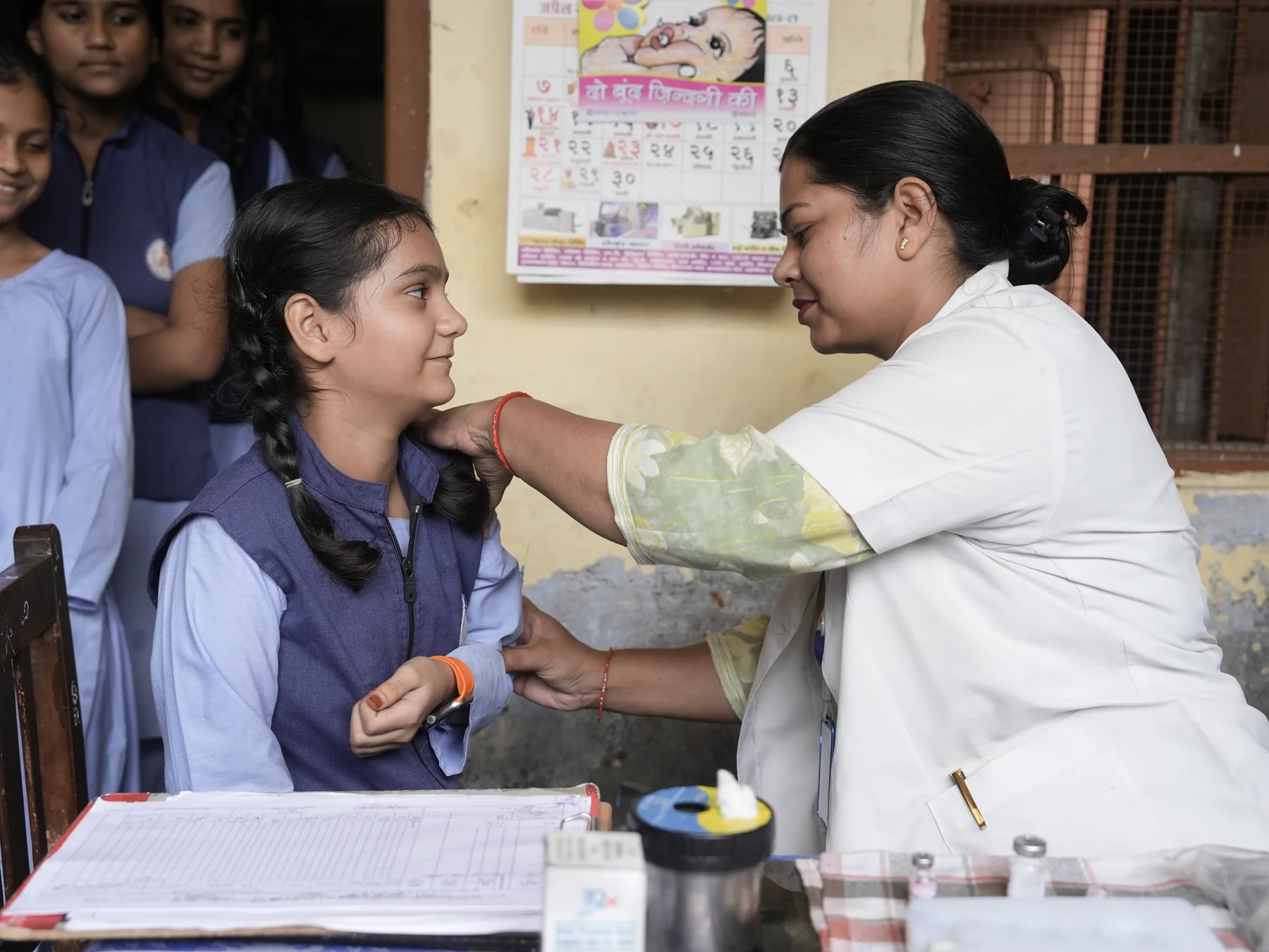
© JSICervical cancer is the second most common cancer among women in India, with more than 127,000 new cases and nearly 80,000 deaths recorded annually. India accounts for nearly one-fifth of the global cervical cancer burden, with persistent high-risk Human Papillomavirus (HPV) infection causing 99.7% of all cases. The World Health Organization launched a global strategy to eliminate cervical cancer as a public health problem, recognizing that vaccination prior to exposure delivers near-total protection.
The Ministry of Health and Family Welfare launched a national HPV vaccination campaign on 28th February, 2026. Under this campaign, every girl aged 14 receives a voluntary, free, single dose at designated government health facilities with parental consent. As the lead technical partner to MoHFW, JSIPL provided end-to-end technical, operational, and managerial support to launch and scale India's first gender-specific adolescent immunization campaign.

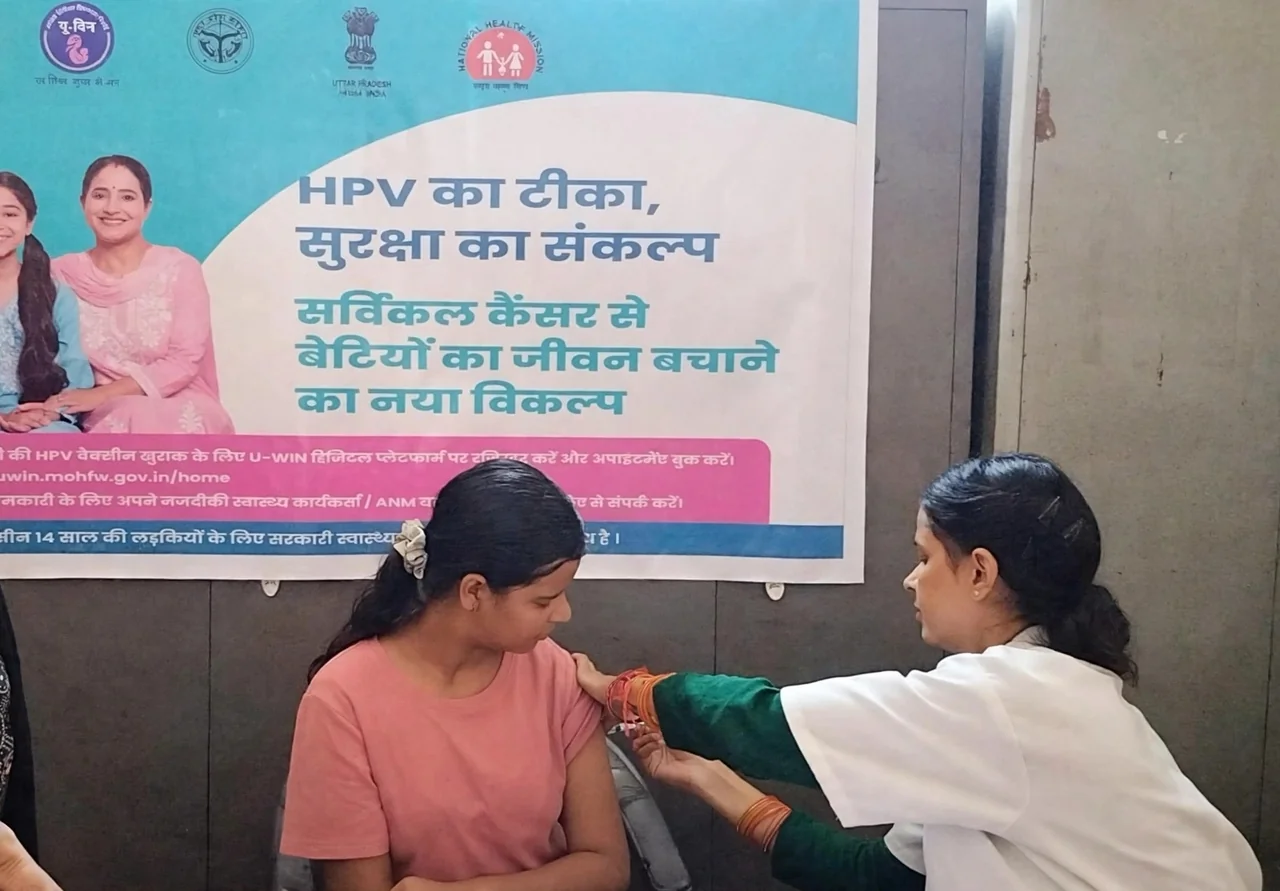 © JSI
© JSIIntroducing an adolescent vaccine required shifting beyond traditional infant immunization frameworks to build tailored delivery and demand generation strategies. Applying the proven new vaccine introduction model refined during national Rotavirus Vaccine (RVV) and Pneumococcal Conjugate Vaccine (PCV) rollouts, JSIPL supported MoHFW and state governments through every phase of preparation and execution.
JSIPL developed comprehensive materials, including Operational Guidelines, medical officer and health worker FAQs, and state-specific learning resource packages for all training levels. JSIPL continues to provide techno-managerial support to MoHFW and the states in the on-ground implementation of the HPV vaccination campaign.
Lorem Ipsum (content required)
To address ongoing operational supply and demand challenges, JSIPL embedded digital innovations and a structured Learning Agenda into the rollout, establishing a data-driven foundation to strengthen service delivery and ensure long-term program sustainability.
Lorem Ipsum (content required)
Lorem Ipsum (content required)
Lorem Ipsum (content required)
Lorem Ipsum (content required)
Lorem Ipsum (content required)
Lorem Ipsum (content required)