
 © JSI
© JSIPneumococcal Conjugate Vaccine (PCV) Expansion
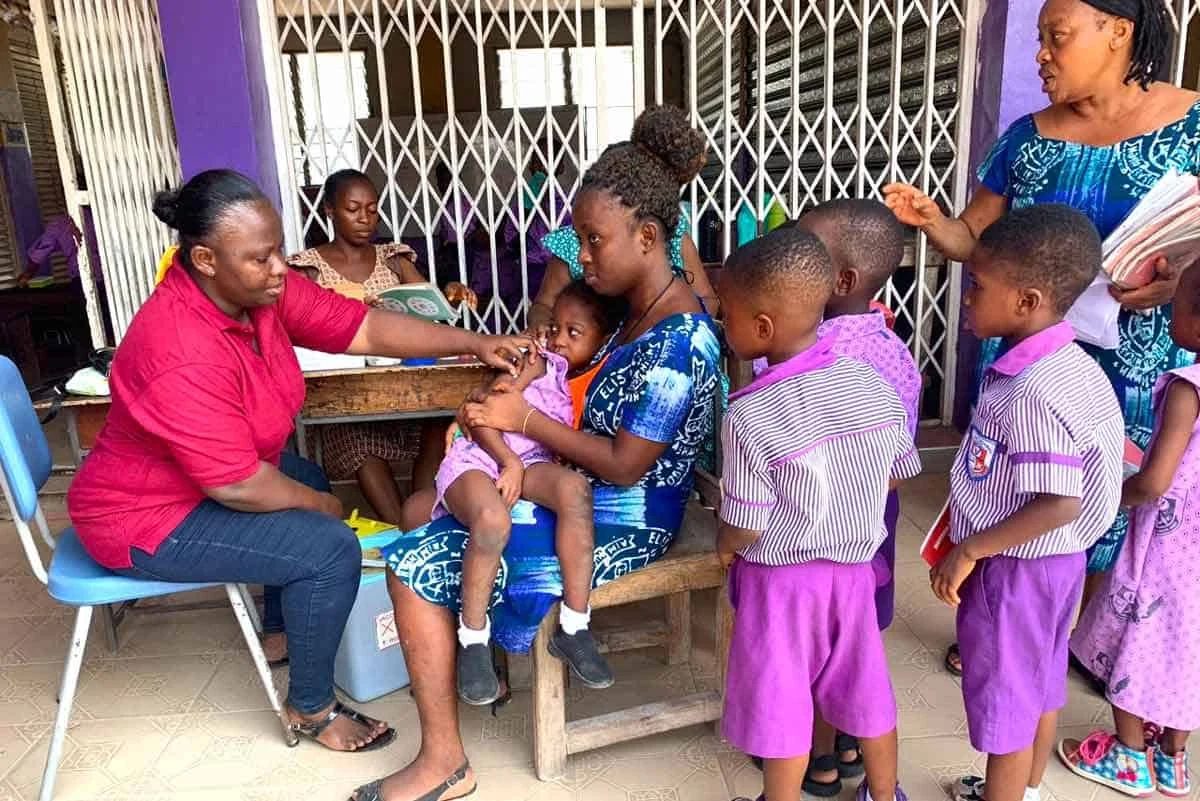
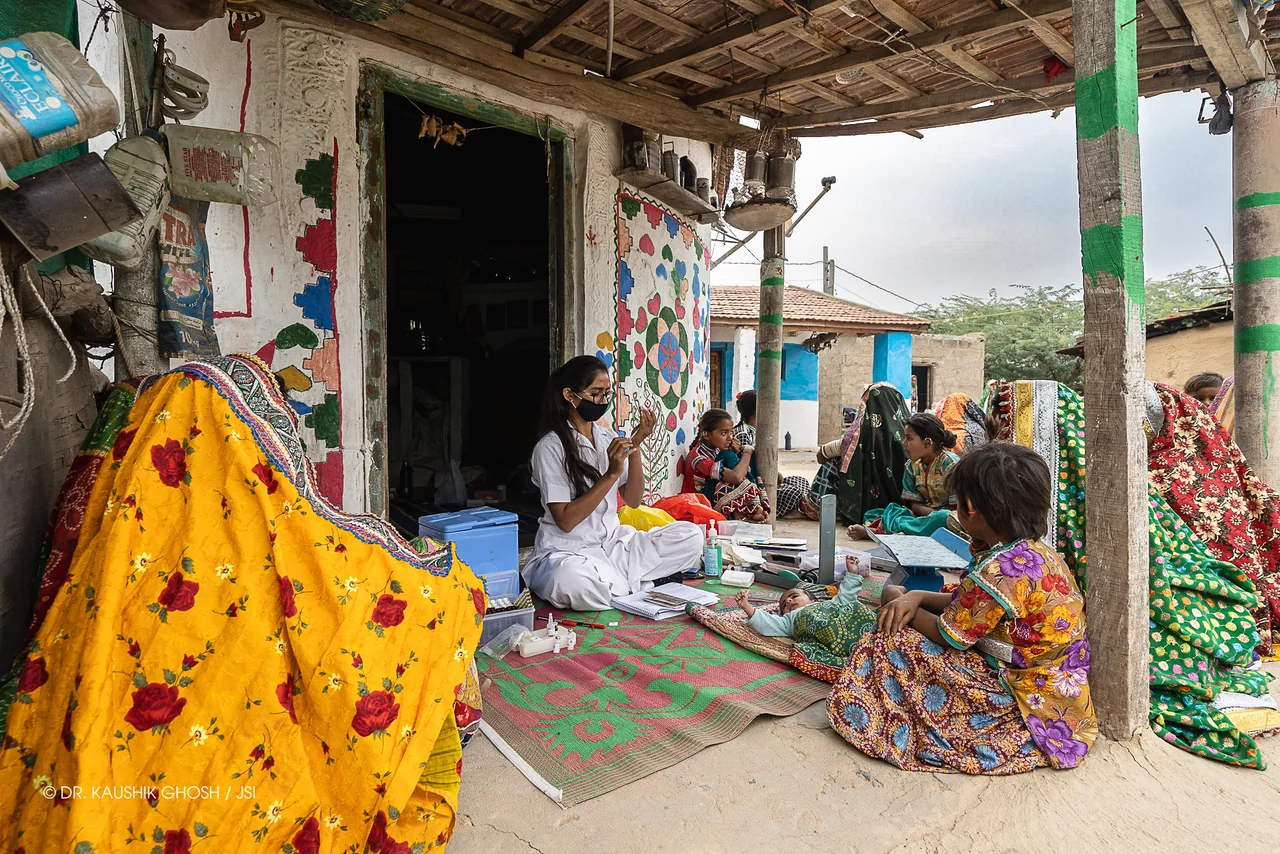
A life-saving vaccine for children
 © JSI
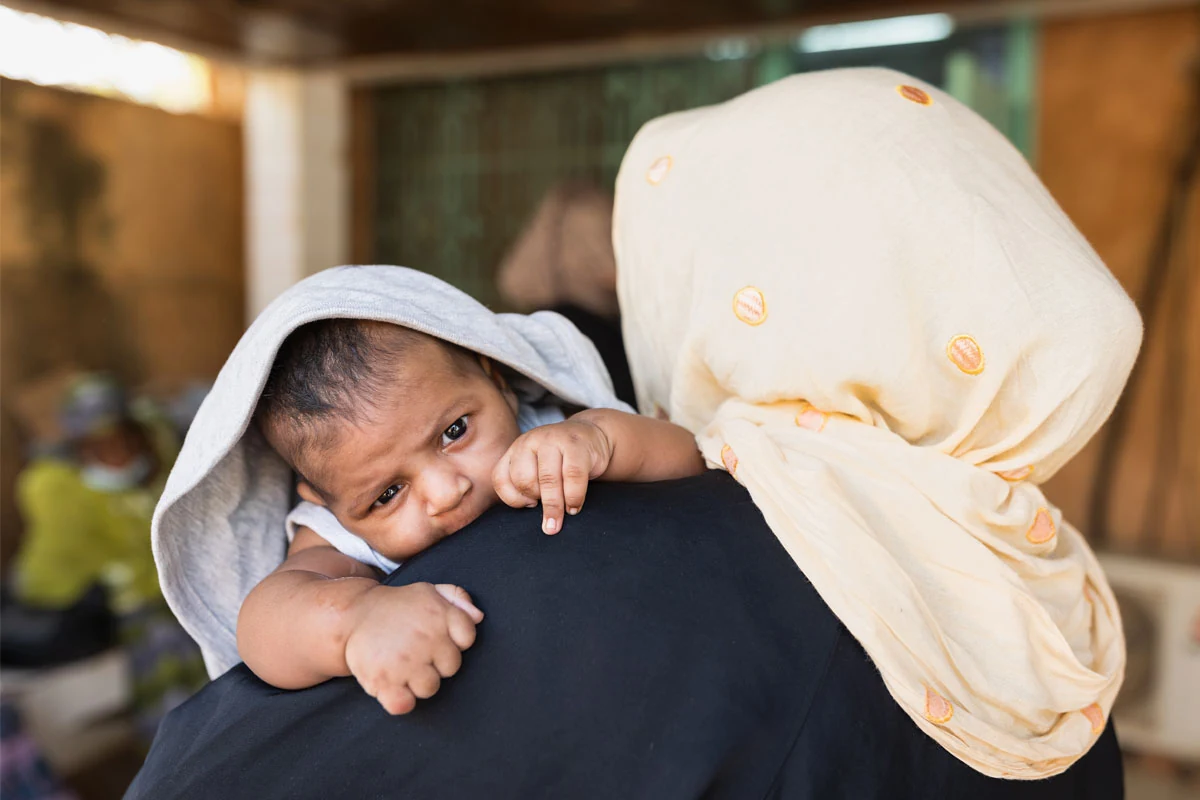
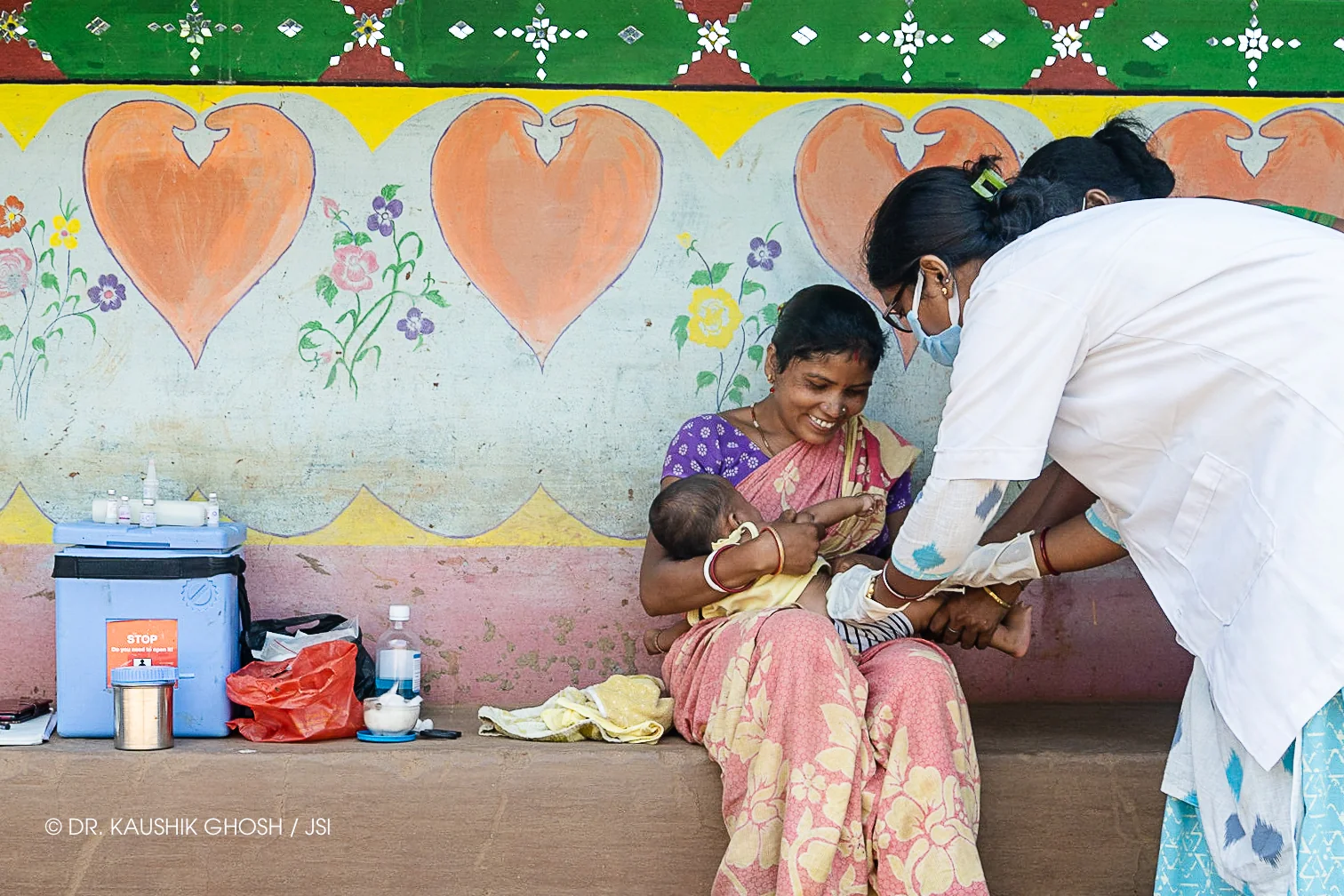
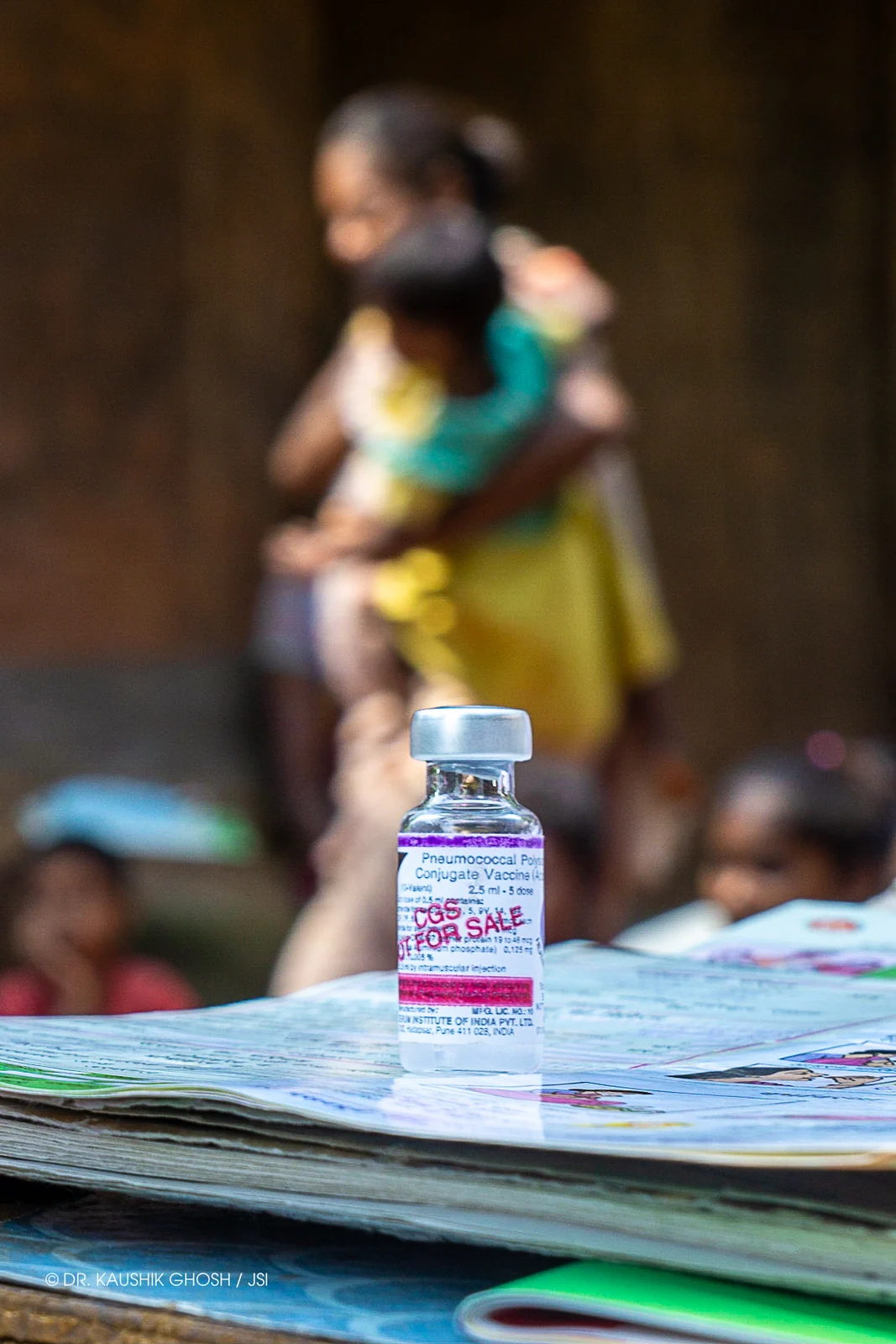
© JSIPneumonia kills more children under five than any other infectious disease, with India historically bearing one of the largest global burdens. Streptococcus pneumoniae (pneumococcus) is its primary bacterial cause, responsible for an estimated 1.6 million severe cases and nearly 68,000 child deaths annually in India prior to nationwide PCV introduction.
To combat the threat to child survival, the Ministry of Health and Family Welfare initiated a phased introduction of PCV under Universal Immunization Programme (UIP) across five high-burden states in May 2017. Building on this foundational groundwork, the Government made a historic commitment in 2021 to expand PCV protection nationwide. As the lead technical partner to the Ministry of Health and Family Welfare, JSIPL spearheaded end-to-end technical support across 31 states and union territories, guiding health systems through robust vaccine preparedness assessments, workforce capacity building, product transitions, and real-time monitoring to achieve national rollout in just seven months.
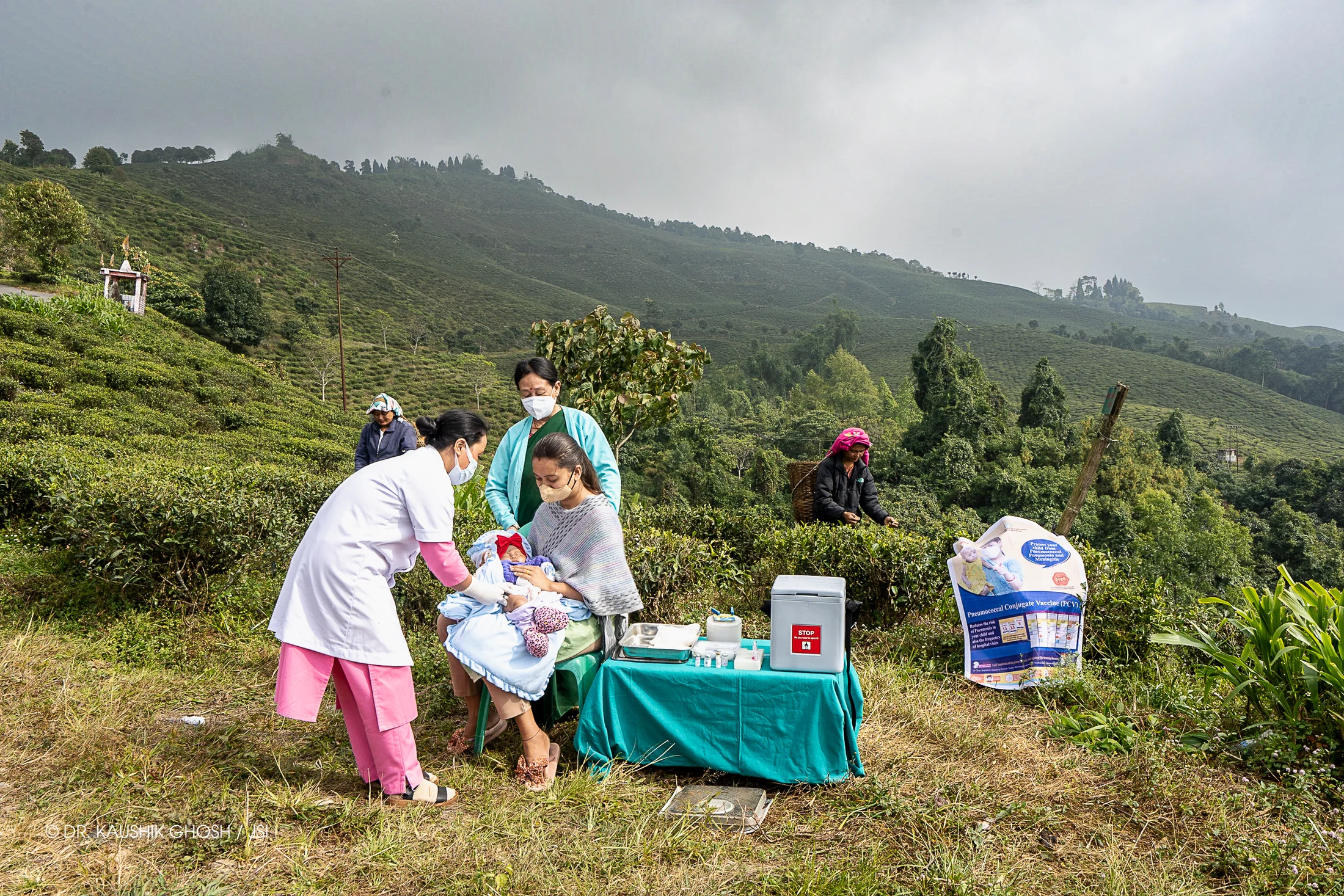
2 lakh+ medical officers, cold chain handlers and ANMs trained through a hybrid model
97% PCV coverage in 2025, as per WHO/UNICEF Estimates of National Immunization Coverage (WUENIC) report
Executing Nationwide Scale-Up Amidst Pandemic Constraints
 © JSI
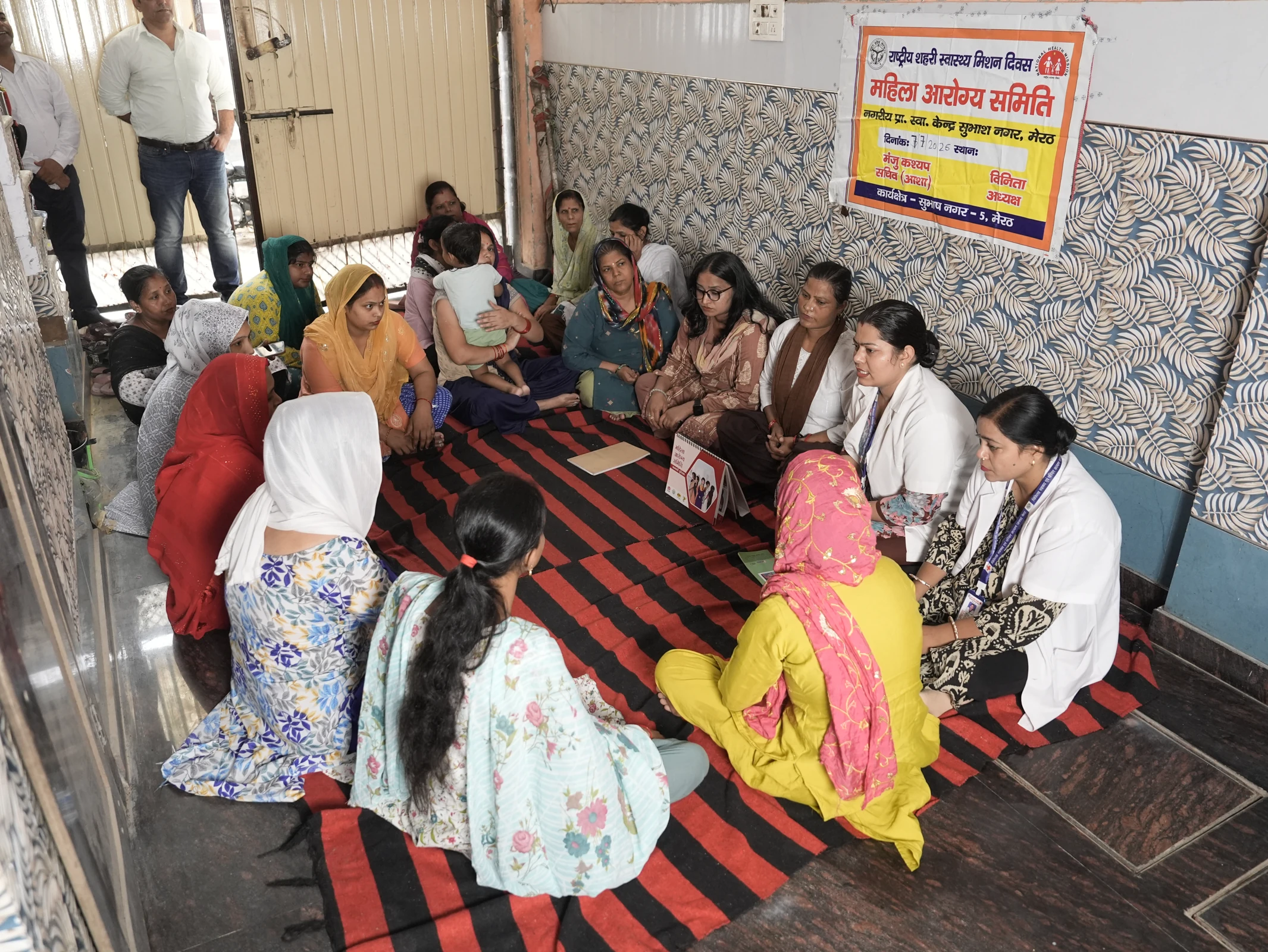
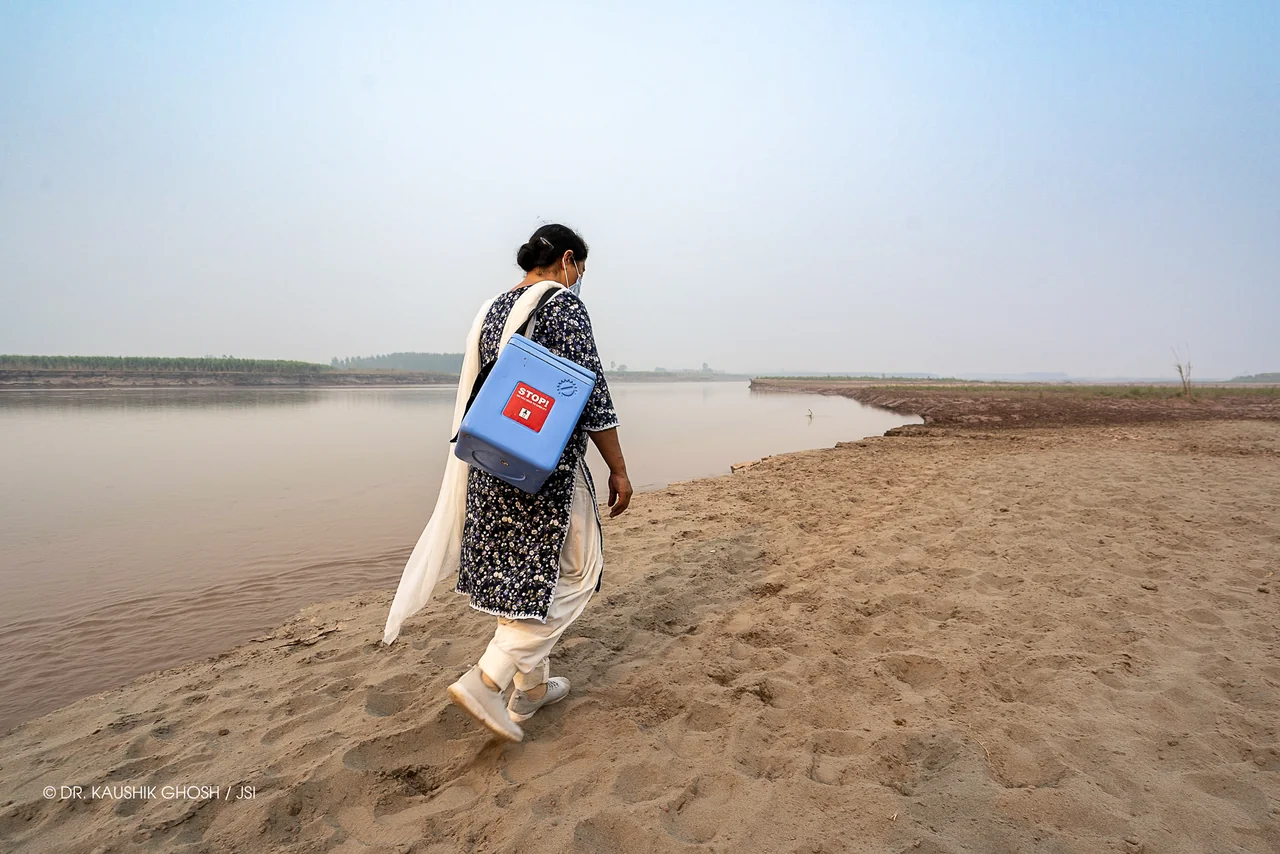
© JSIA new vaccine introduction typically requires months of structured lead time in every state. During the 2021 PCV expansion, health systems faced an unprecedented dual challenge: preparing every state simultaneously while frontline workers were actively managing the world's largest COVID-19 vaccination drive. JSIPL eliminated traditional paper-based delays by digitizing readiness tracking through PROMPT (PCV Roll-Out Monitoring and Preparedness Tool). Districts completed real-time online readiness self-assessments, states consolidated findings, and the Ministry gained complete visibility of nationwide status on live interactive dashboards. This allowed cold chain space, logistics, training, and recording tools to be optimized before the first vaccine vial was delivered to vaccine stores and cold chain points.
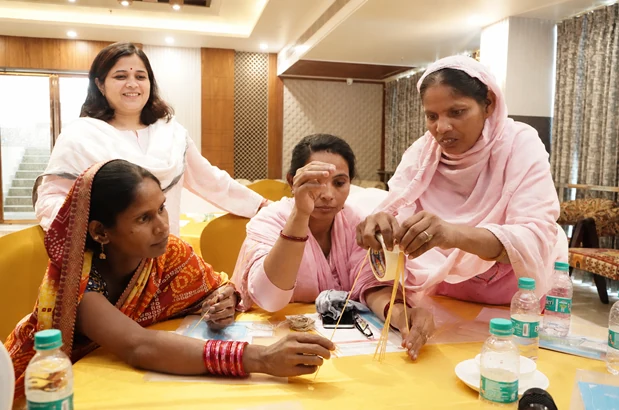
To navigate mobility restrictions, JSIPL transitioned capacity building to a hybrid model combining recorded modules, expert live Q&A sessions, and digital pre- and post-assessments. To support vaccinators at session sites, JSIPL developed animated learning videos in 13 languages alongside a mobile PCV Chatbot for point-of-need guidance.
By October 2021, PCV was successfully launched across all remaining states and union territories.
How it was done
- Institutional Governance & Working GroupsFormed a central Core Working Group with MoHFW and core partners, alongside State Working Groups in every state, ensuring synchronized planning, policy alignment, and technical coordination.
- Digitized Preparedness AssessmentReplaced paper checklists with the web-based PROMPT tool, enabling real-time district-level gap identification in HR, logistics, cold chain space, and reporting tools to ensure complete system readiness before launch.
- Hybrid Capacity Building & Digital Job AidsDelivered flexible, hybrid training for over 200,000 health personnel, supported by animated FAQ videos in 13 regional languages and an AI-backed PCV Chatbot providing instant answers to vaccinators at the point of vaccine delivery.
- Targeted Supportive SupervisionConducted spatial data analysis and coverage studies using Lot Quality Assurance Sampling (LQAS) to identify lagging blocks, address booster dose drop-offs, and implement tailored mitigation strategies.
- Proactive Product Transition ManagementDeveloped training decks, job aids, and procedure videos to guide health systems through multi-product transitions, including switches from PCV13 to PCV10 and subsequently to domestic PCV14.
Sustaining Coverage & What Comes Next
With PCV now accessible across every district in India, JSIPL's focus has transitioned from introduction to long-term coverage equity and schedule completion. Technical assistance to MoHFW and state governments now emphasizes improving the nine-month booster dose uptake, where drop-out rates remain highest, while supporting low-performing districts through targeted local interventions. By combining digital tools, continuous supportive supervision, and evidence generation, JSIPL continues to ensure that every infant born in India receives complete, timely protection against pneumococcal disease.
Related Insights
All Resources© JSI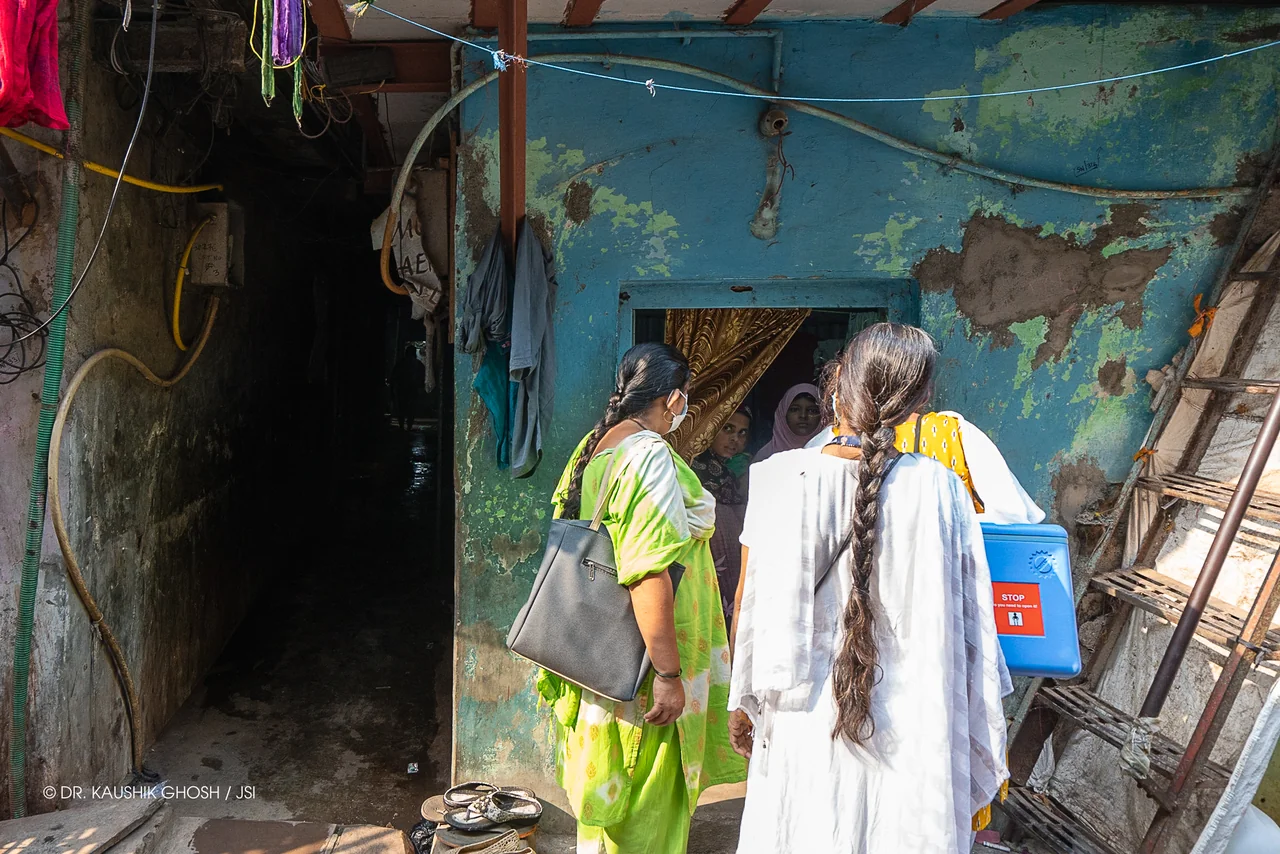 © JSI
© JSIStakeholder Experiences With the Pneumococcal Conjugate Vaccine Chatbot as a Complementary Capacity-Building Tool for Frontline Health Workers in India: Qualitative Study
Read insight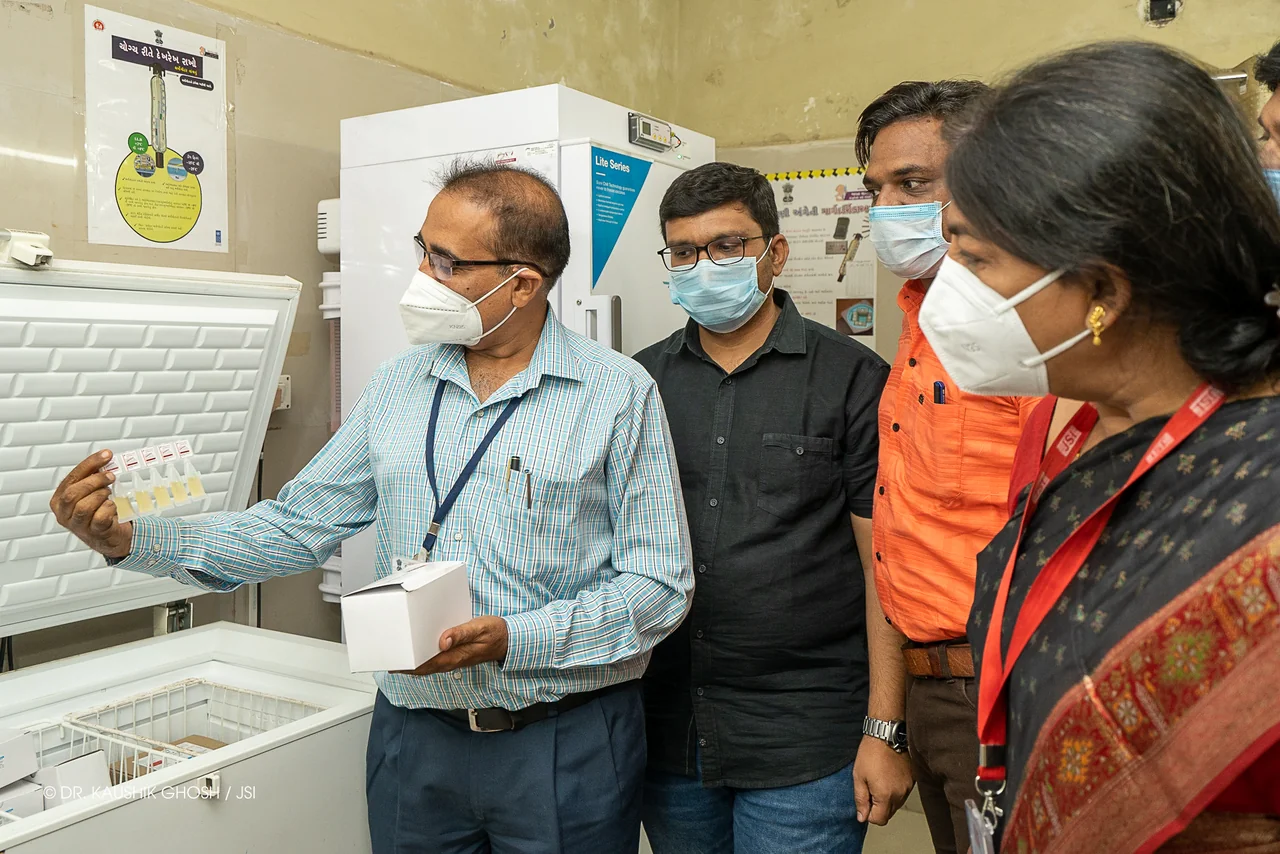 © JSI
© JSINovel Digitization of Preparedness Assessment for Pneumococcal Conjugate Vaccine Introduction in Immunization Programme: Experience from India
Read insight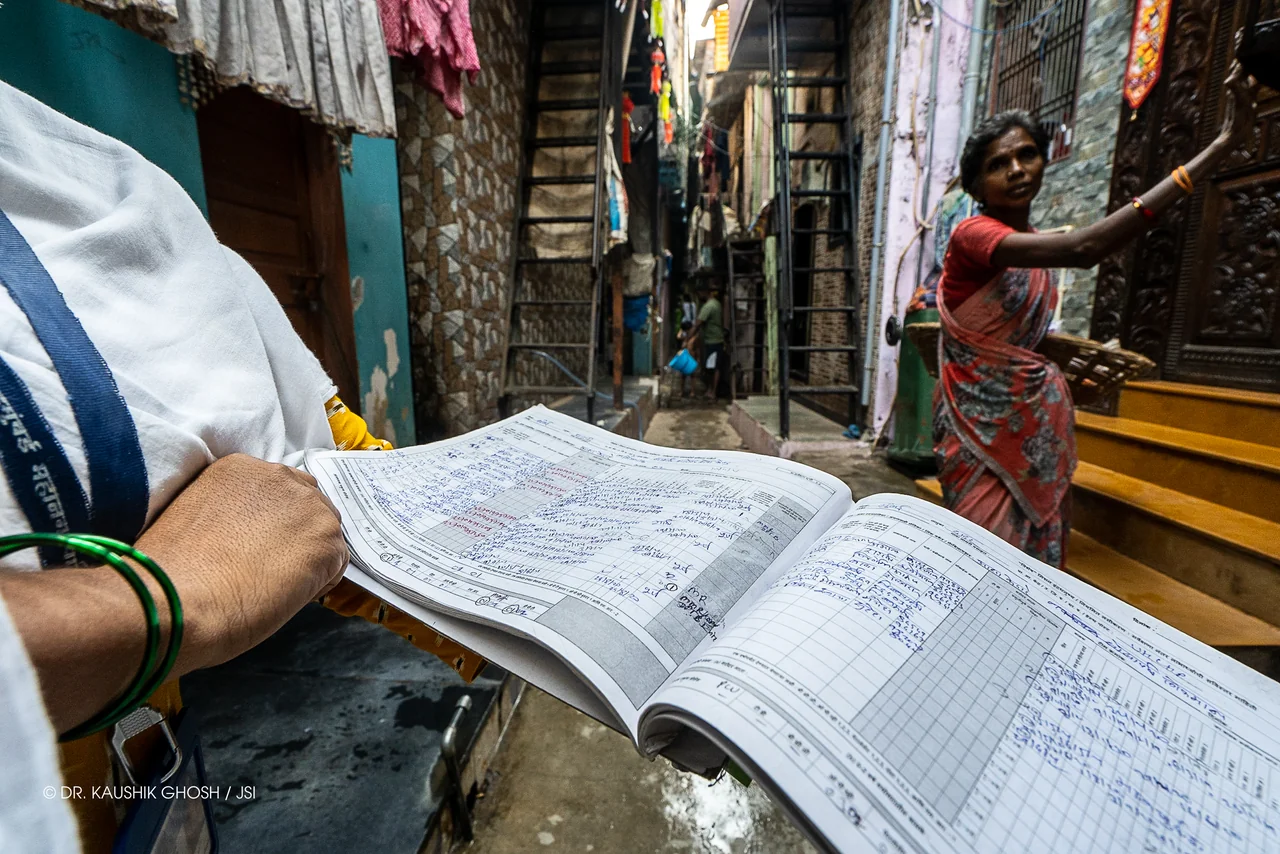 © JSI
© JSI