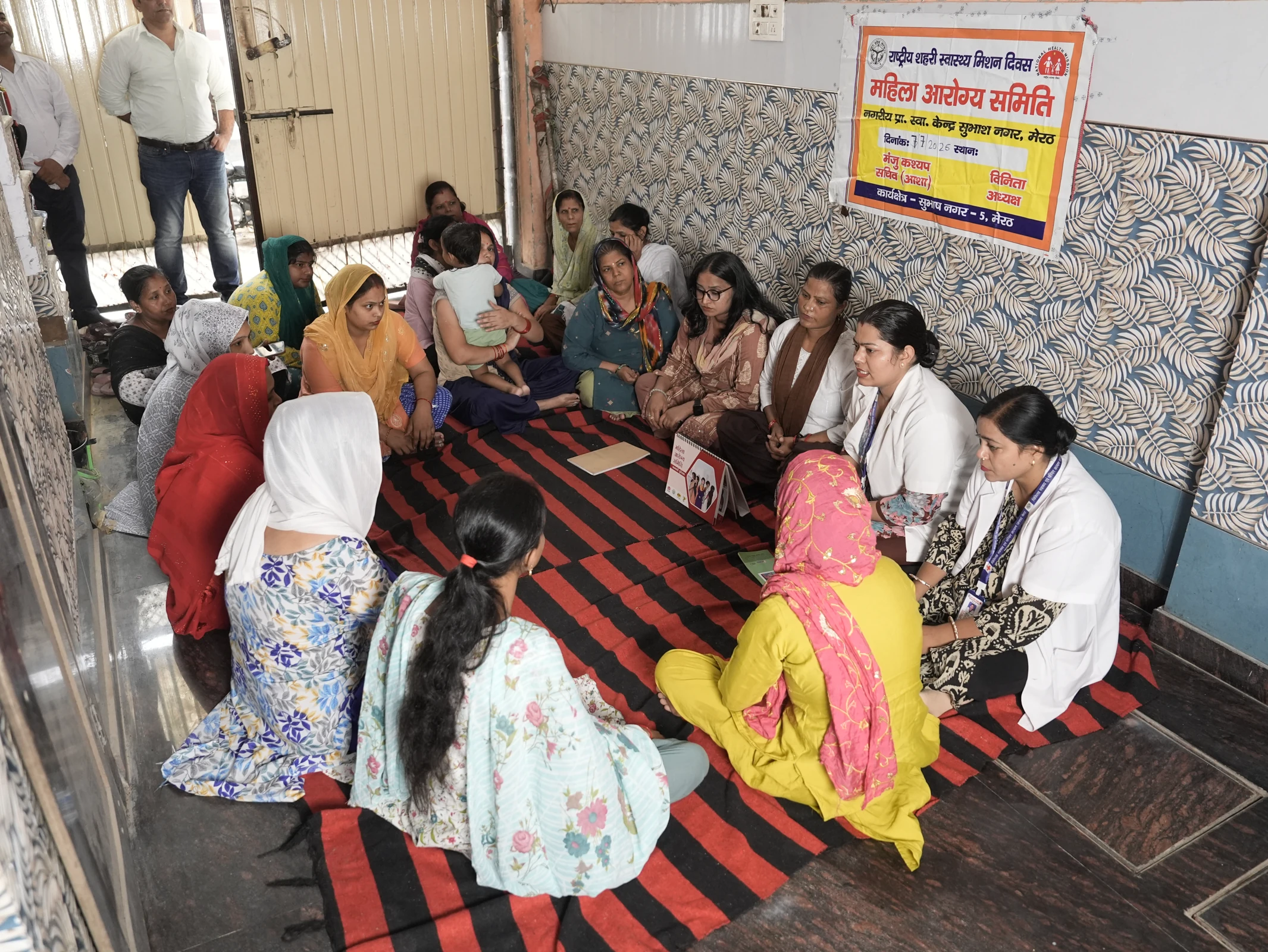
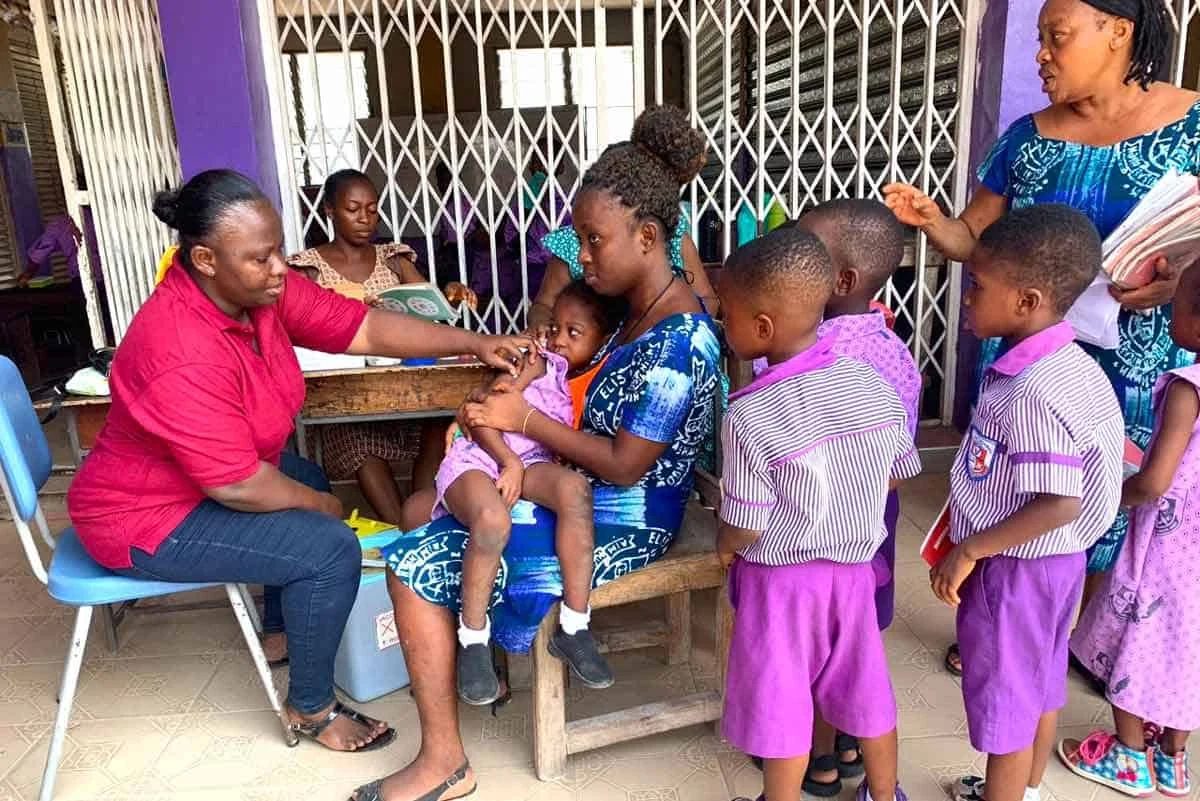
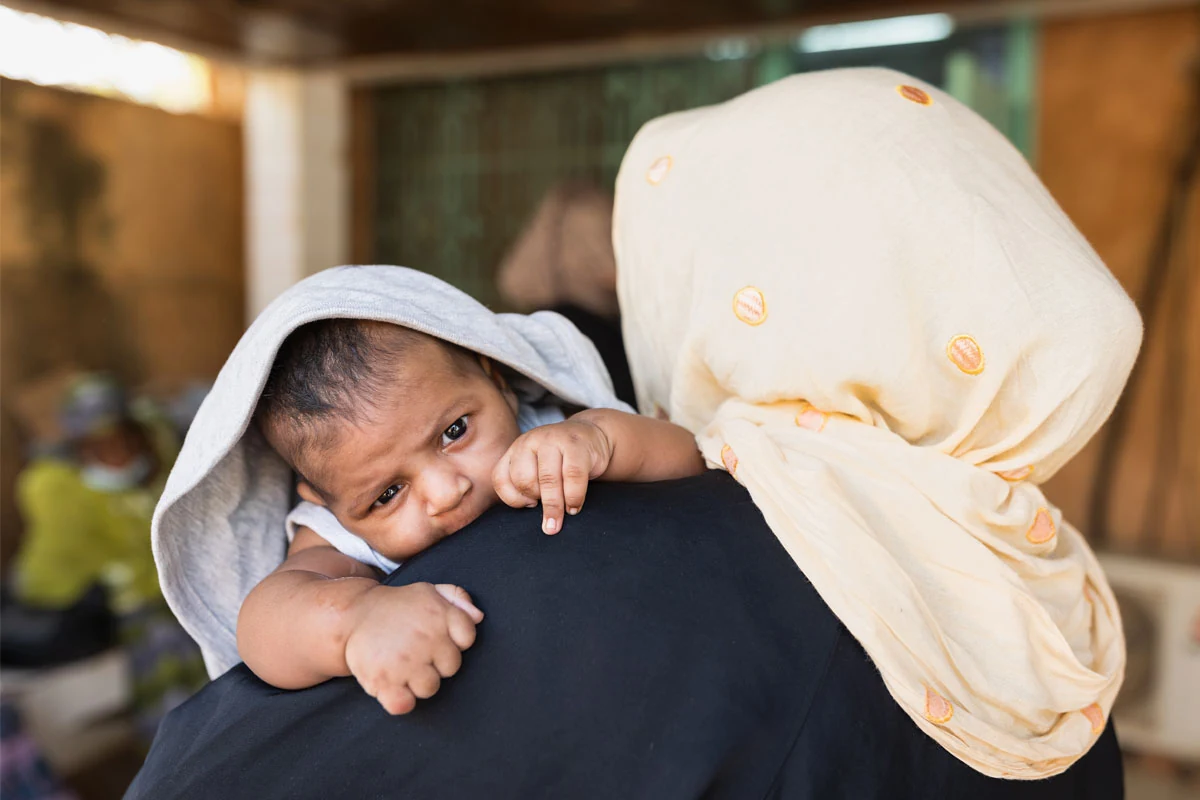
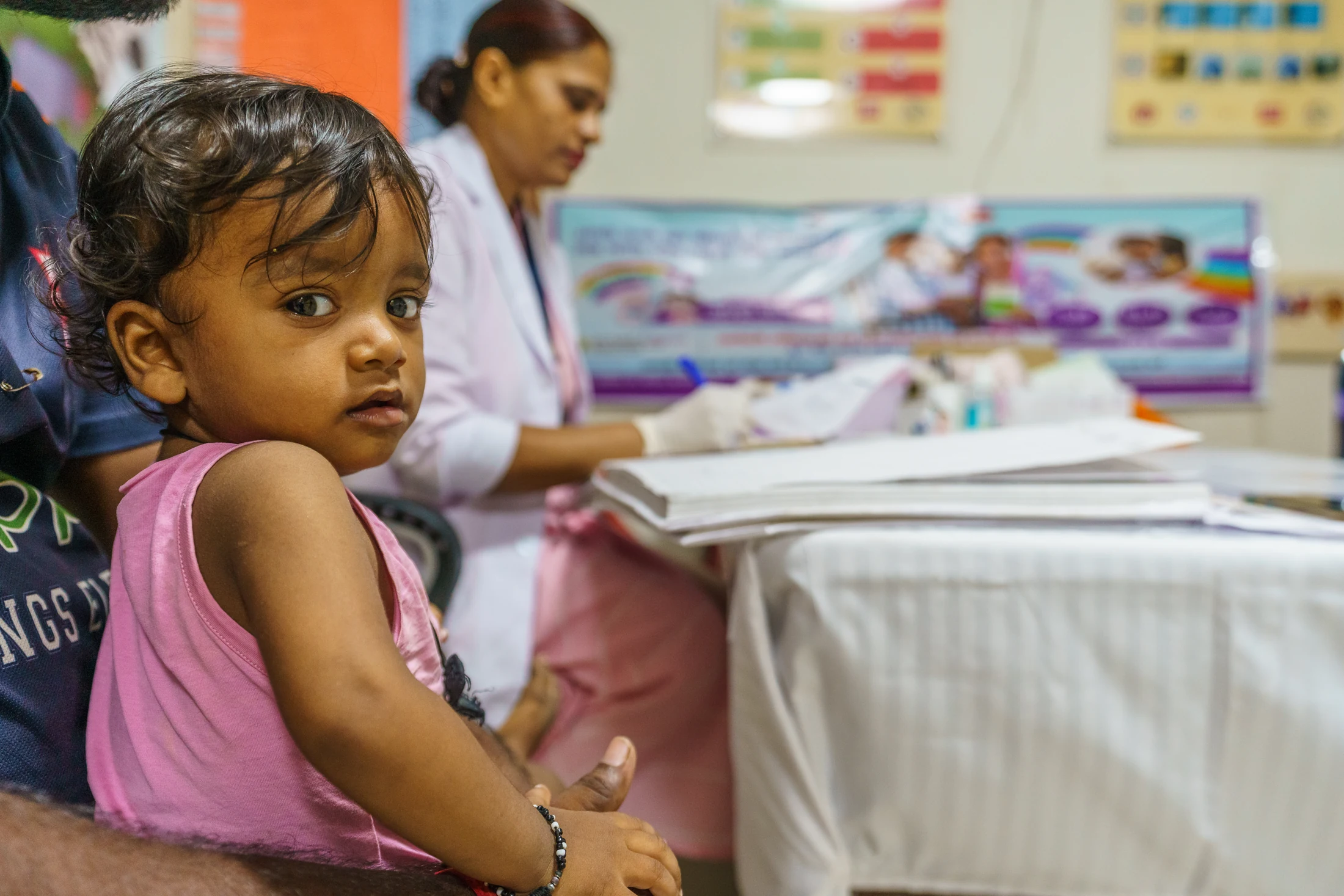
In India’s rapidly growing cities, a child can live a short walk from a health facility and still miss life-saving vaccines. While primary healthcare infrastructure is widely available and aggregate city averages often look promising, overall coverage numbers mask concentrated pockets of zero-dose and under-immunized children. As urban India expands toward 600 million people by 2036, rapid growth continues to push informal settlements, migrant workers, and peri-urban communities outside traditional health microplanning.
These coverage gaps persist not because of vaccine shortages, but because urban health delivery is not built for urban complexities. Unlisted settlements remain absent from health facility catchment maps. For daily-wage earning families, rigid clinic hours force an impossible trade-off between a child’s vaccination and a lost day’s income. At the same time, high population mobility and health records fragmented across UPHCs, U-WIN, medical colleges, and private providers create system blind spots where zero-dose clusters remain invisible.
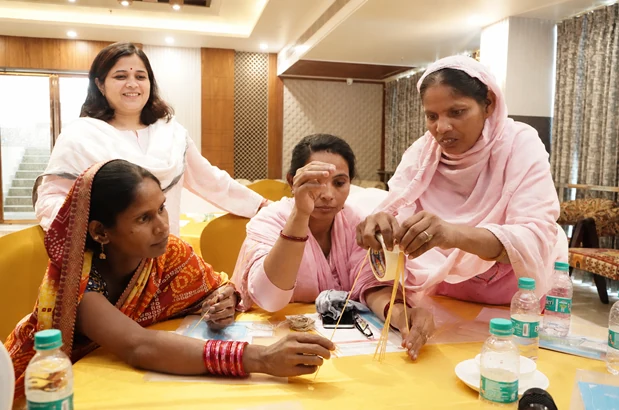
JSIPL works with the Government systems to build resilient, data-driven urban health structures under the National Urban Health Mission (NUHM), ensuring no child is left behind.