
 © JSI
© JSIRotavirus Vaccine (RVV) Introduction
Scaling India’s Indigenous Vaccine Nationwide
 © JSI
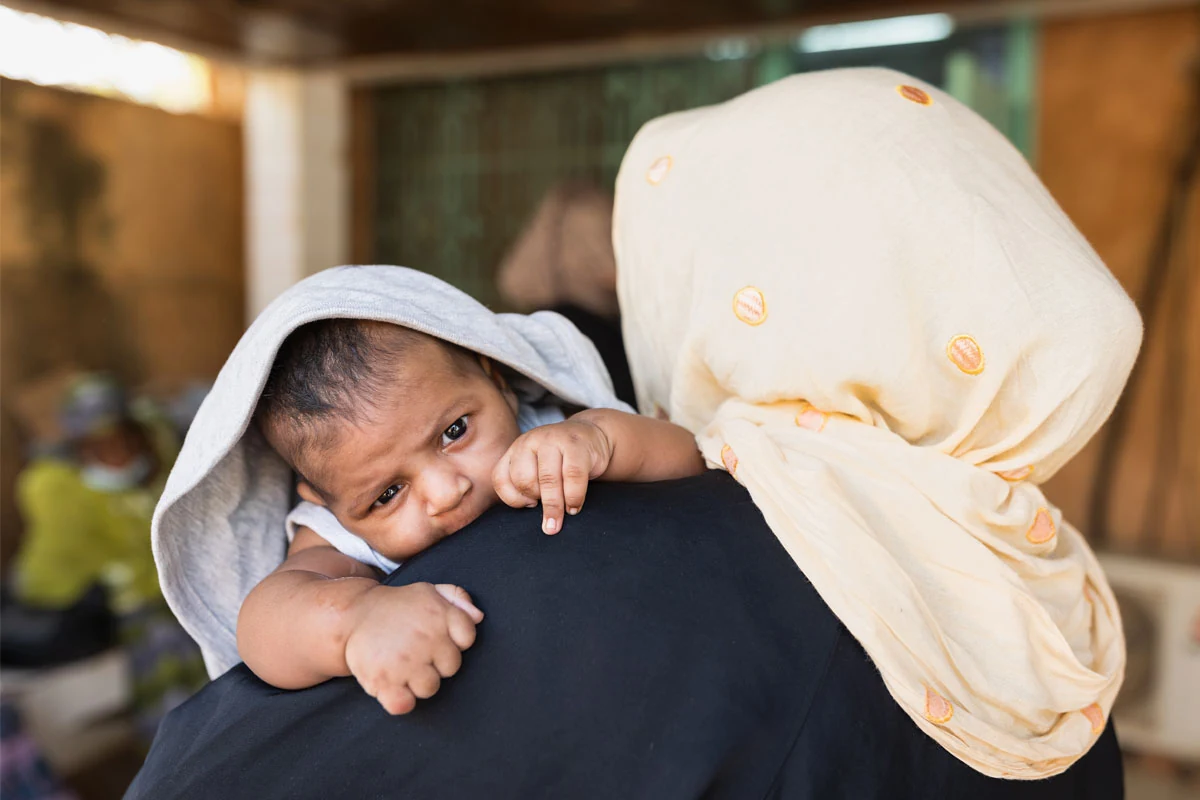
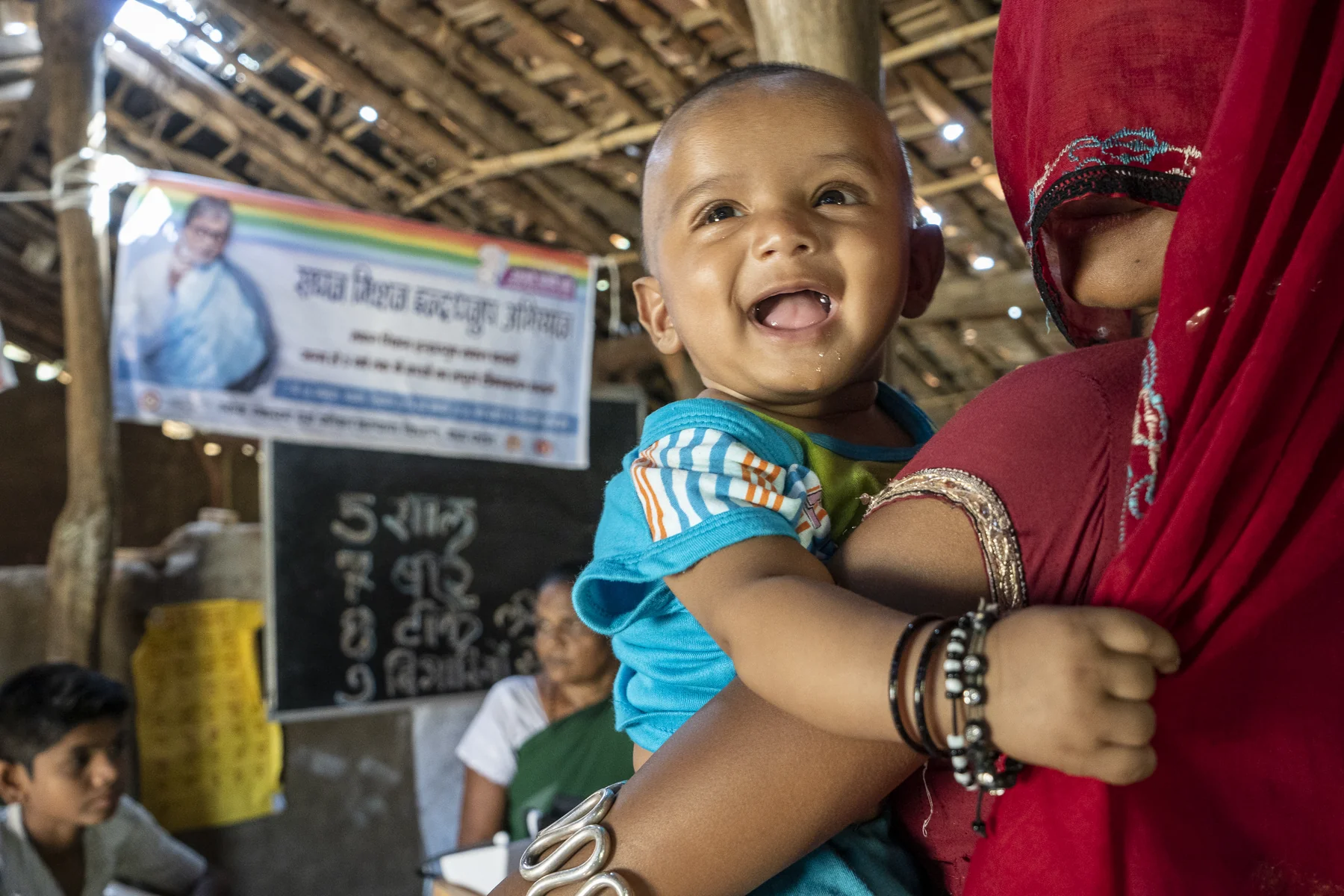
© JSIPrior to RVV introduction, rotavirus posed a formidable threat to child survival in India, claiming nearly 78,000 under-five lives annually and causing over 880,000 hospitalizations that placed severe out-of-pocket financial burdens on vulnerable families.1 Highly contagious and transmitted rapidly through hands, surfaces, and droplets, the virus cannot be controlled by standard hygiene and sanitation measures alone. Immunization offered the single most effective preventive solution to safeguard young lives across the country.
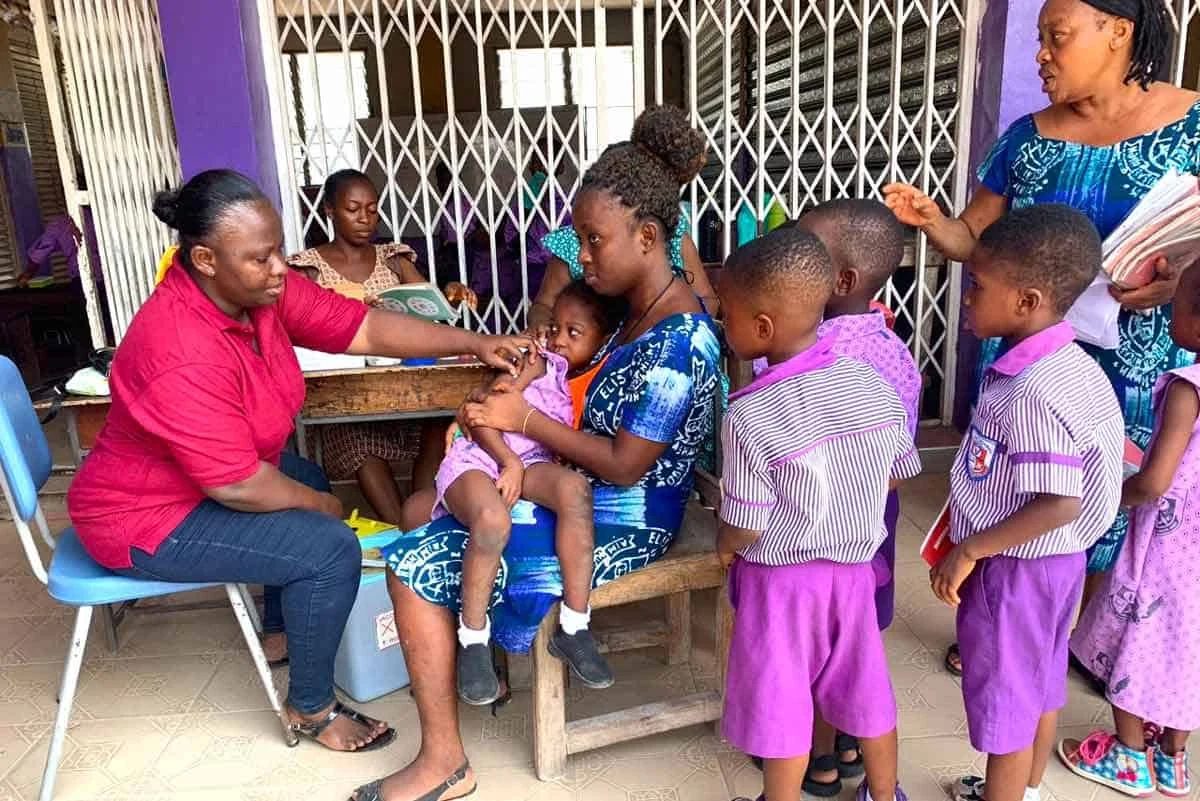
In March 2016, India became the first country in the WHO South-East Asia Region to introduce a domestically produced rotavirus vaccine into its Universal Immunization Programme (UIP). Serving as the Ministry of Health and Family Welfare's lead technical partner, JSIPL provided full technical and operational support across every phase of the rollout, transforming a landmark public health commitment into a sustained nationwide success.
1 Indian National Rotavirus Surveillance Network
 © JSI
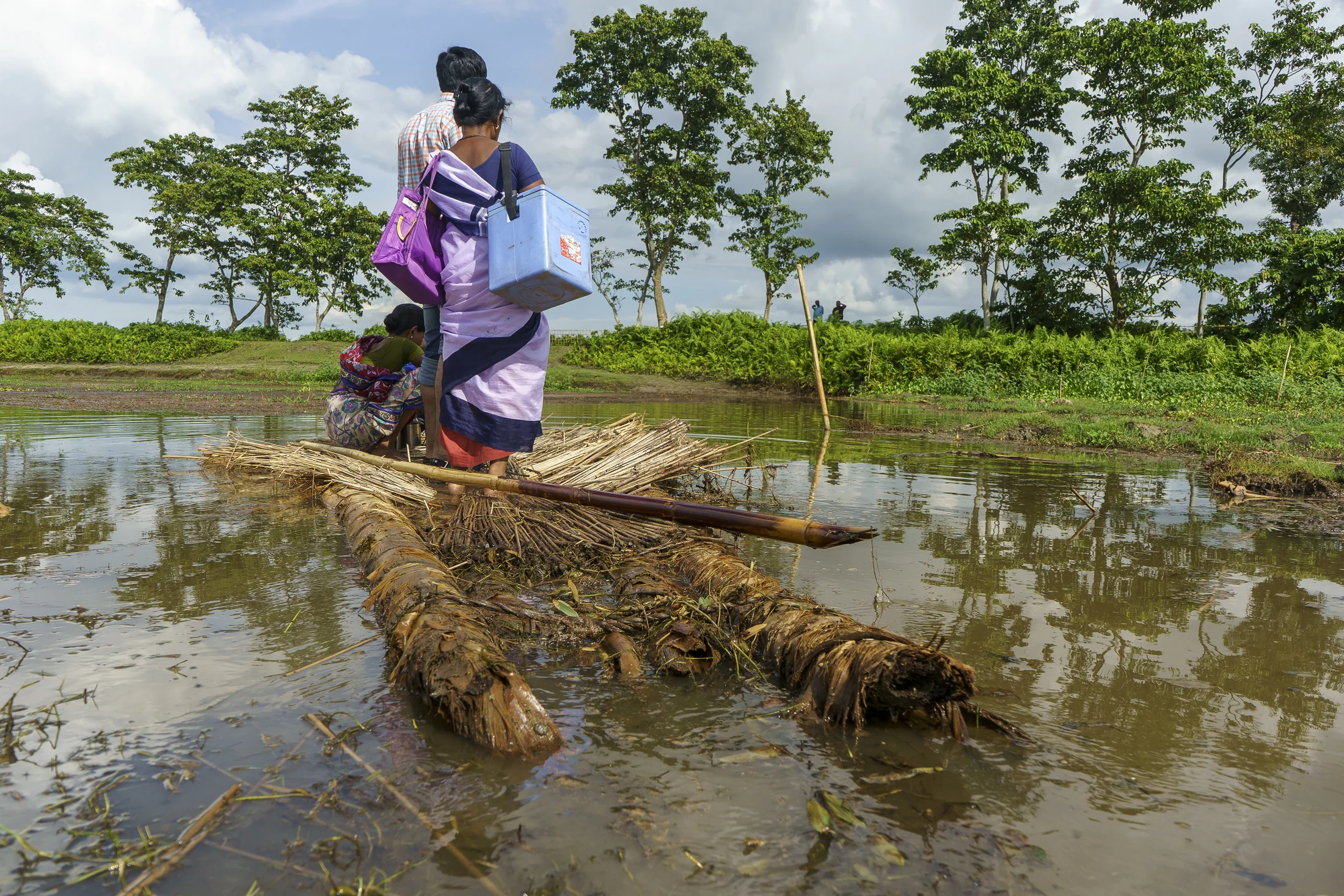
© JSI91% RVV coverage in 2025, as per WHO/UNICEF Estimates of National Immunization Coverage (WUENIC) report
22 lakh+ Medical officers, cold chain handlers, ANMs, ASHAs and anganwadi workers trained, through a cascade training by around 5,000 master trainers
Driving Phased National Scale-Up and Innovation
 © JSI
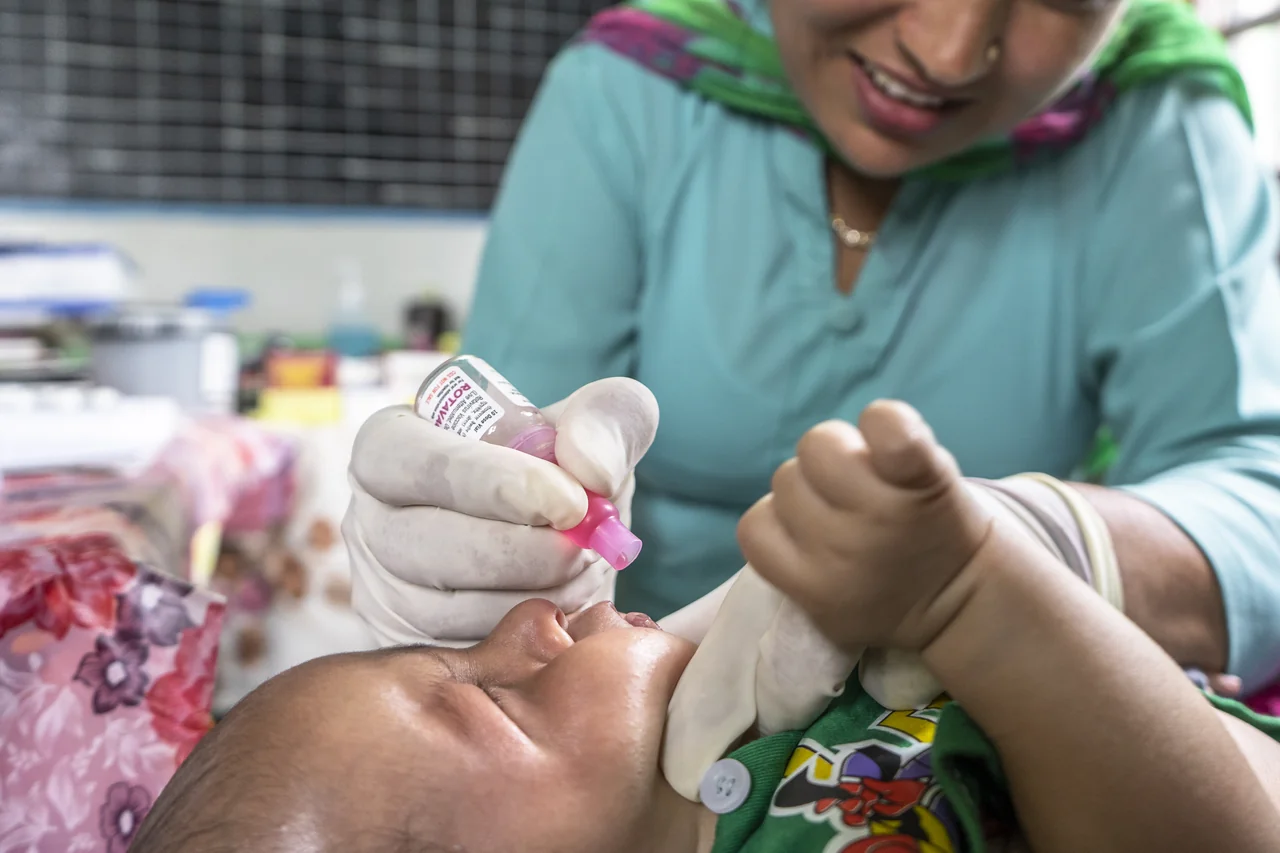
© JSIMoHFW rolled out RVV in structured phases following expert recommendations. Beginning in four diverse pilot states in 2016 (Haryana, Himachal Pradesh, Andhra Pradesh, and Odisha), the rollout expanded after a rigorous six-month evaluation by the Indian Council of Medical Research (ICMR). Additional states were onboarded in subsequent phases, culminating in a 100-day national push in 2019 that achieved countrywide integration.
RVV rollout marked a landmark milestone in UIP, with two distinct indigenous vaccine products (Rotavac and Rotasiil) introduced concurrently under a single national schedule, for the first time ever.
JSIPL crafted product-specific guidelines, FAQs and operational decks, while supporting the MoHFW in facilitating RVV product interchangeability. This policy enabled children to complete their three-dose schedule even if they moved states or transitioned between private and public healthcare providers. Furthermore, JSIPL guided health workers through four product and presentation transitions by delivering mobile-ready procedure videos and technical job aids directly to vaccinators.
JSIPL also supported real-time coverage tracking through the national RVV Dashboard and co-coordinated a Post Introduction Evaluation (PIE) across 14 states. Executed through an innovative digital methodology, this landmark initiative deployed 64 evaluators across 14 states and 28 districts. It stands as one of the largest digital PIEs ever conducted for a new vaccine rollout, generating vital evidence on community acceptance, implementation quality, and health system performance.
How it was done
- Locally Owned Preparedness AssessmentsDeveloped state and district checklists that empowered program managers to identify and resolve HR, logistics, cold chain, infrastructure, and reporting bottlenecks before launch.
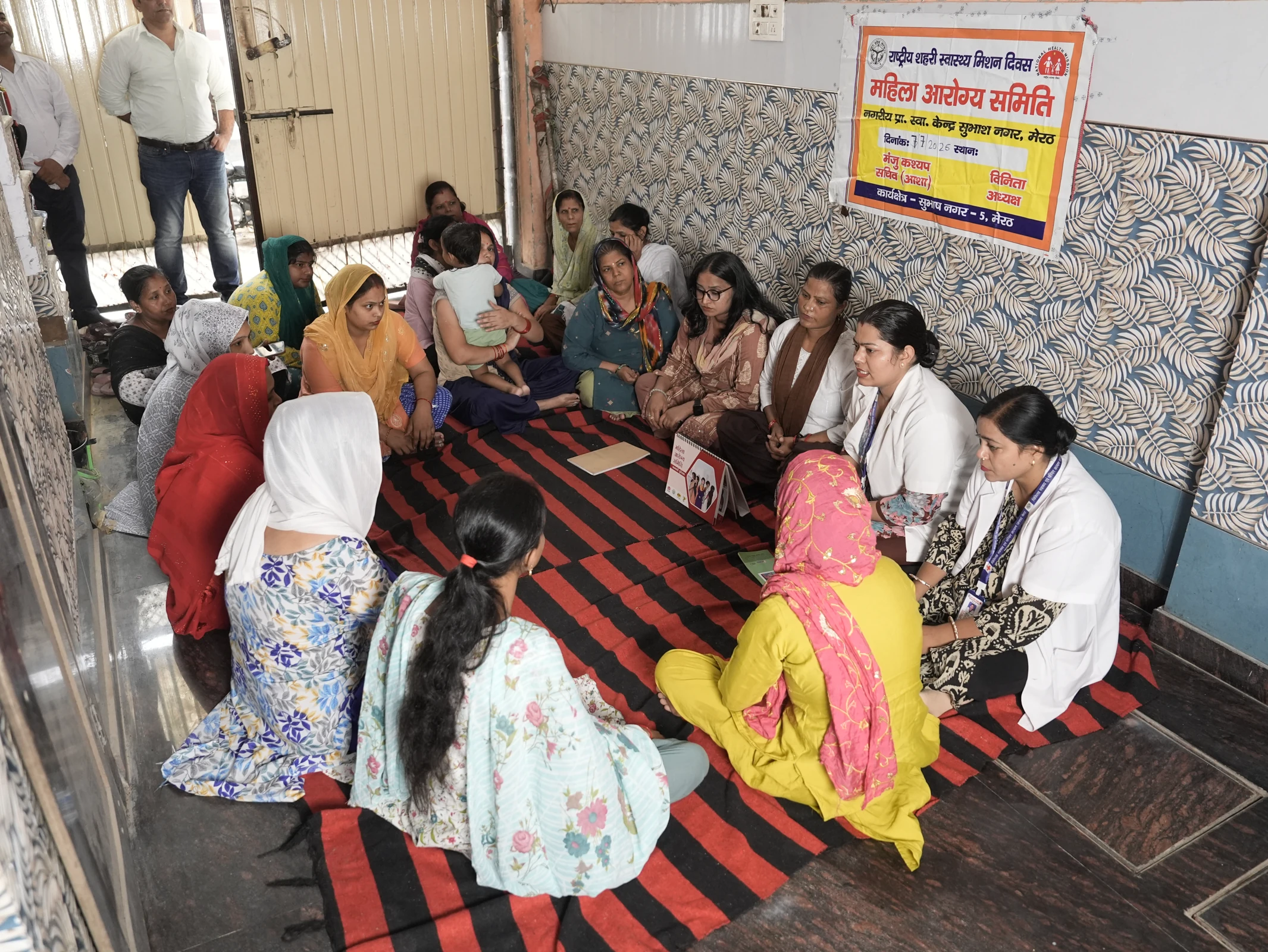
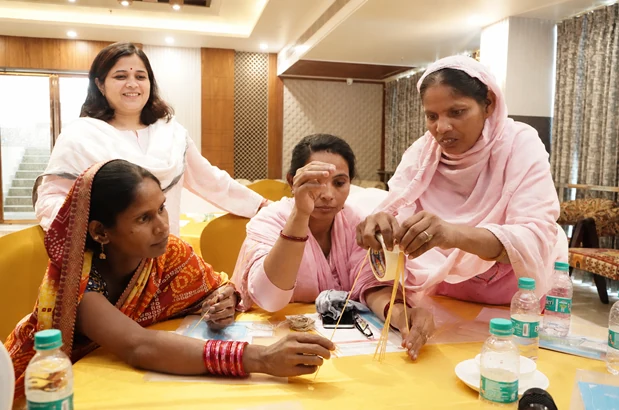
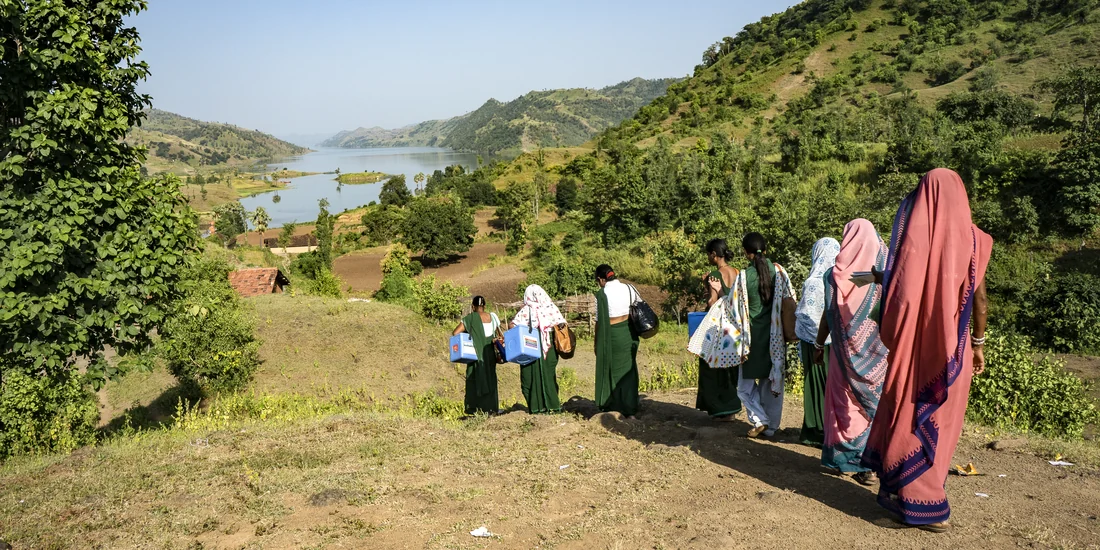
- Interactive Station-Based TrainingComplemented traditional lectures with small-group, hands-on learning stations, training over 2.2 million personnel (including Medical Officers, Cold Chain Handlers, ANMs, ASHAs, and Anganwadi Workers).
- Digital Learning & Follow-Up VerificationApplied online pre- and post-tests to gauge immediate learning, backed by scheduled follow-up phone calls to assess knowledge retention and deliver targeted refresher training.
- Geo-Tagged Supportive SupervisionDeployed a mobile monitoring application at session sites and cold chain points to calculate site-level performance scores and feed actionable data to decision-makers.
- Agile Rotational Technical SupportDeployed a lean team model where JSIPL provided intensive technical assistance for one year per state before transferring complete ownership to state leaders and moving to the next rollout phase.
 © JSI
© JSI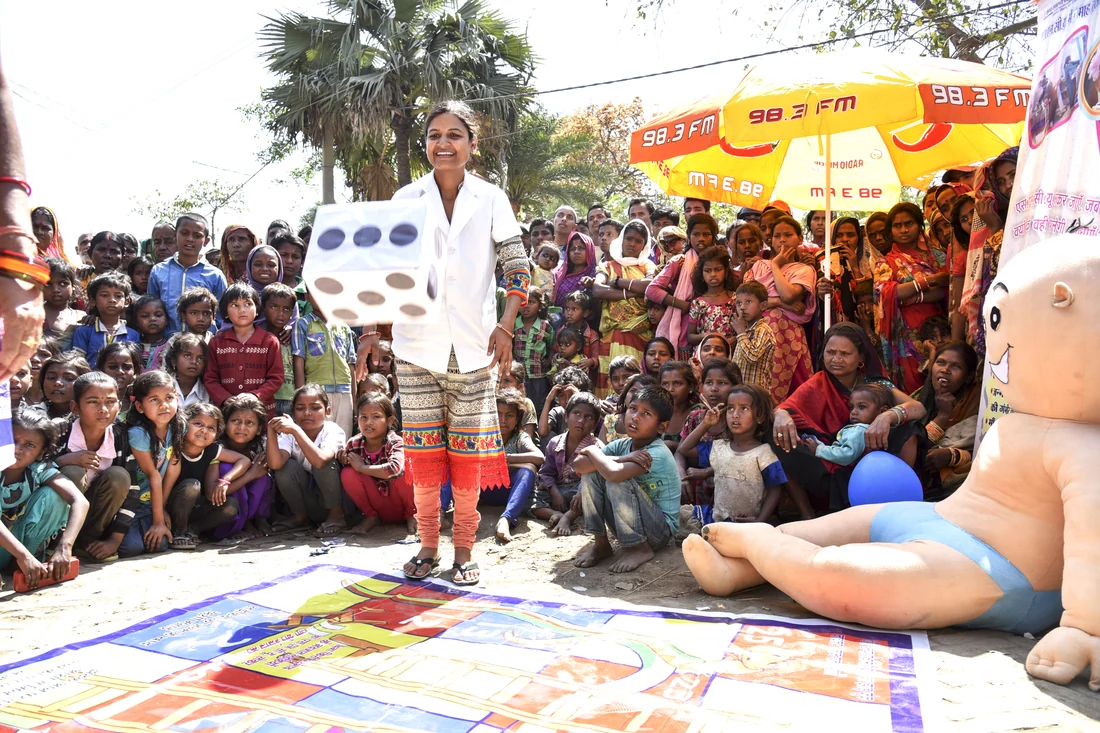 © JSI
© JSILegacy and Blueprint for Future Introductions
Rotavirus vaccination is now fully integrated into routine immunization across India, protecting every annual birth cohort of approximately 26 million children from rotavirus-caused diarrhea. Beyond direct disease reduction, this intervention created India's operational blueprint for new vaccine introductions. The core template of RVV introduction was subsequently used for other new vaccine introductions.
Related Insights
All Resources© JSI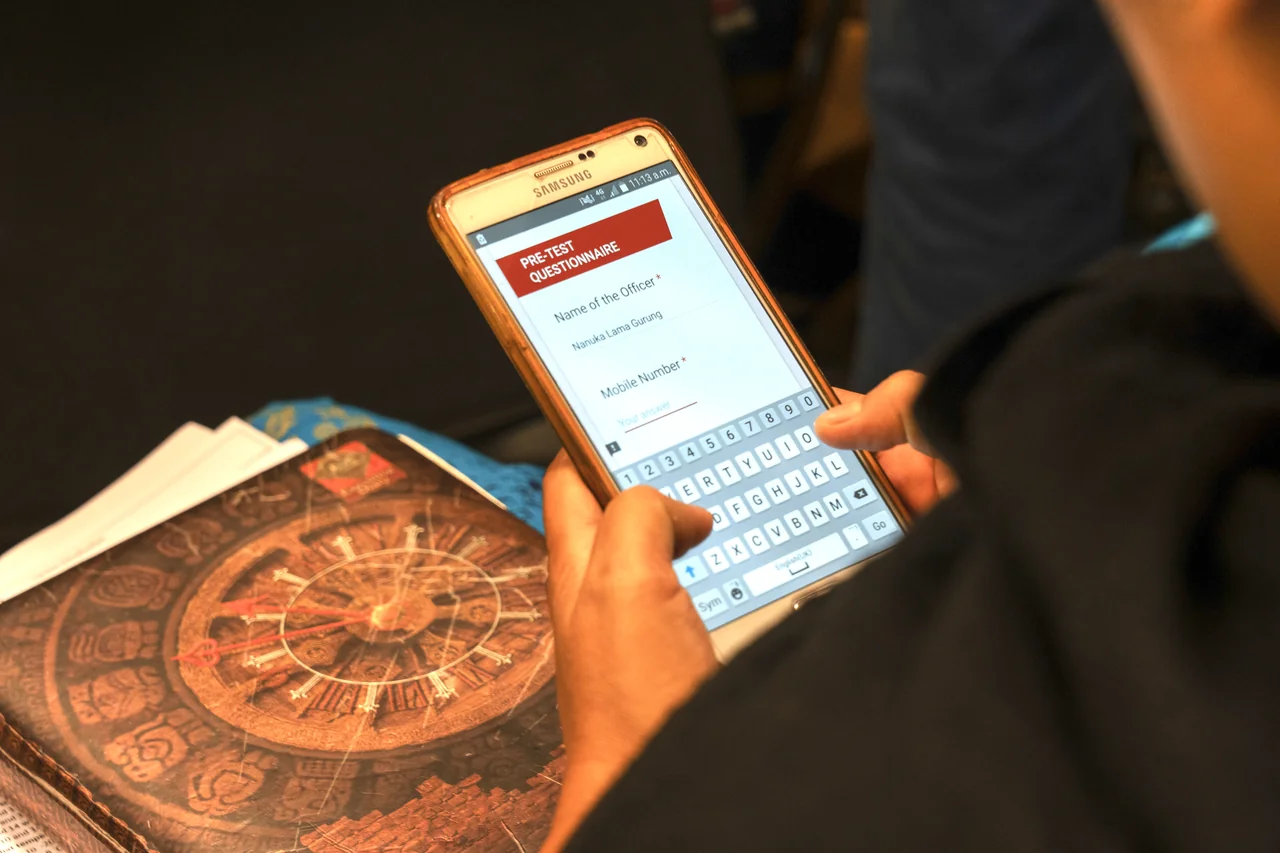 © JSI
© JSIAssessment of knowledge retention of healthcare staff through telephonic interview after training for rotavirus vaccine introduction in India
Read insight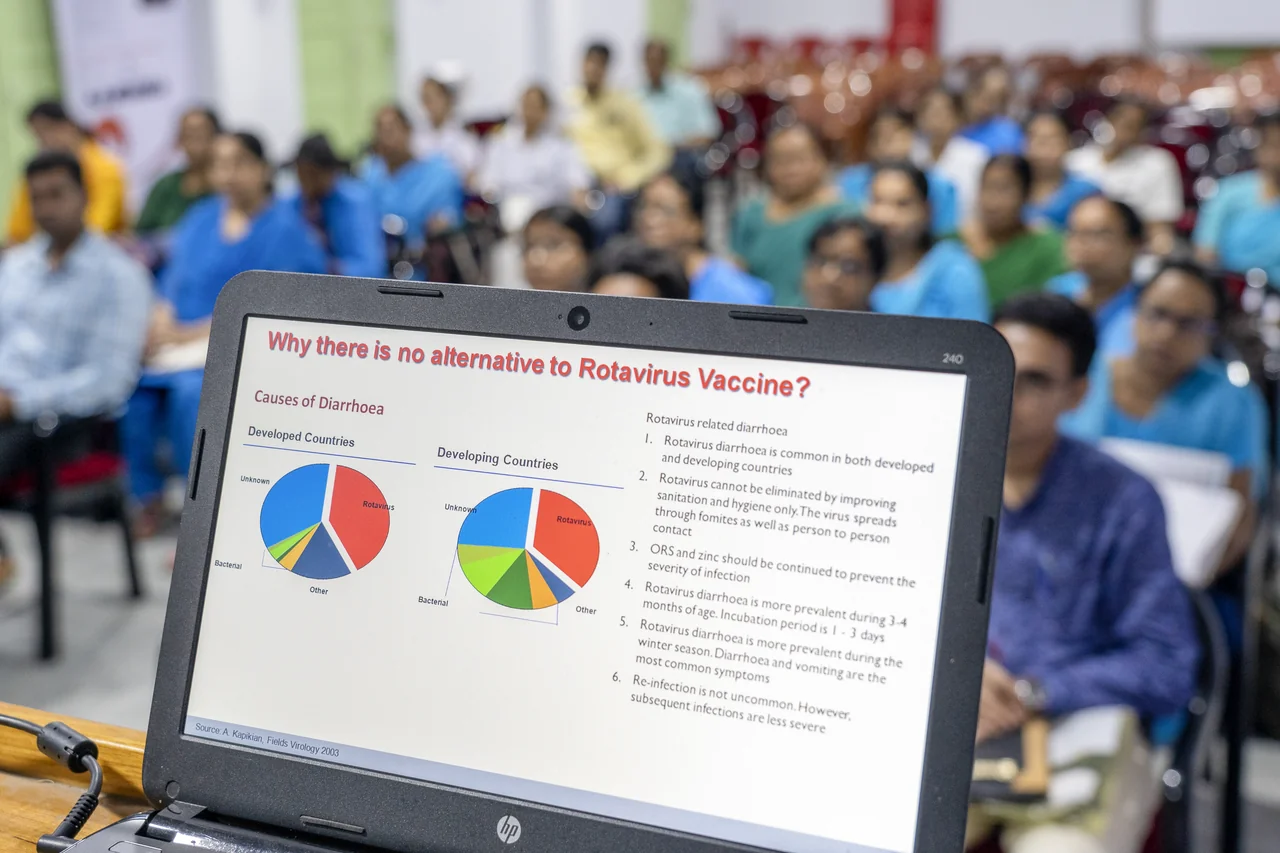 © JSI
© JSIImpact of real-time assessment on the training of trainers for the introduction of rotavirus vaccine in India
Read insight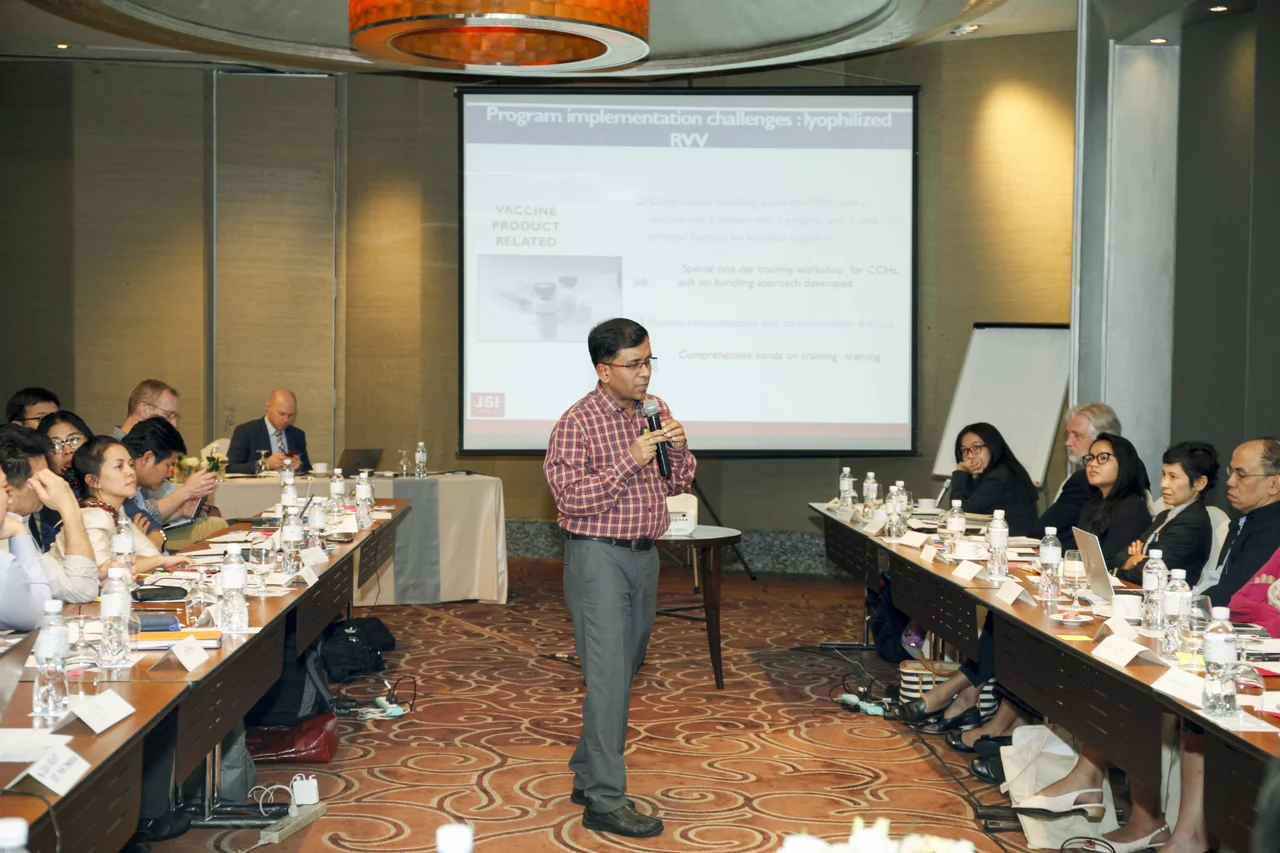 © JSI
© JSI